
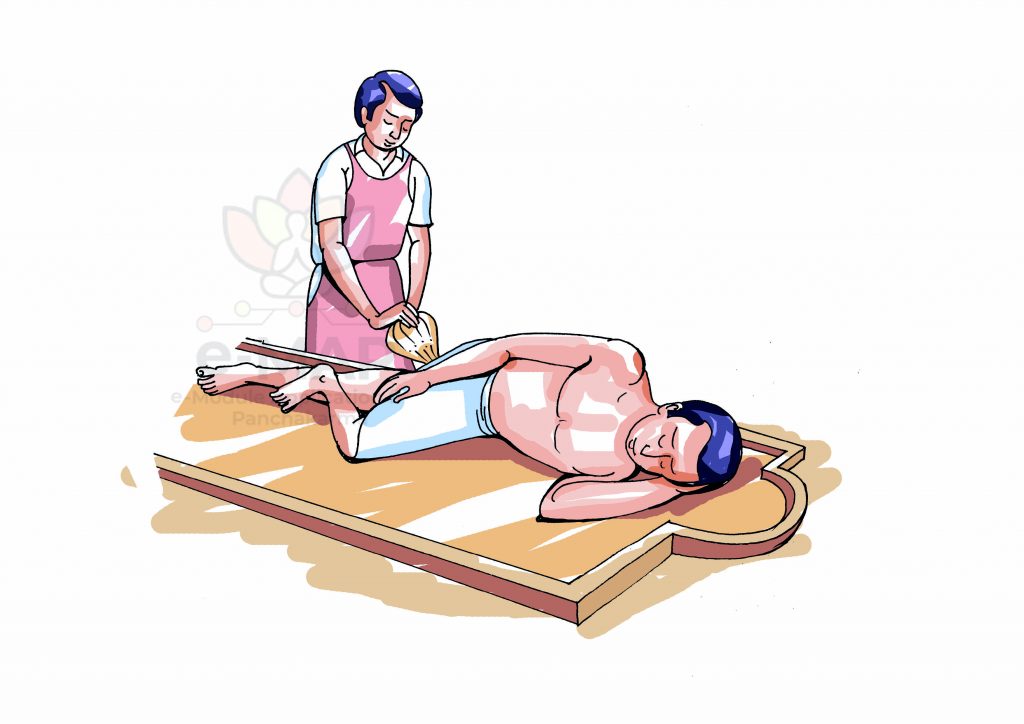
Basti — Therapeutic Enema Therapy
Basti is a principal Panchakarma therapy that administers medicated enemas to cleanse, balance Vata, nourish tissues and manage systemic disorders originating from the colon and dosha imbalance.

Overview
Basti (medicated enema) is used both as a detoxifying and rejuvenating therapy in Ayurveda. It directly influences the colon, which is considered a major seat of Vata. Depending on the medicament and method, Basti can be Anuvasana (oil-based) or Niruha/Matra/Pravara (decoction-based) and forms a core part of therapies for Vata disorders and chronic ailments.
Indications
- Constipation, chronic constipation (Vata type)
- Low back pain, sciatica, neuropathies
- Arthritis, spondylosis, degenerative joint diseases
- Neurological or musculoskeletal disorders (Vata imbalance)
- Skin disorders, autoimmune and metabolic detoxification
Contraindications & Precautions
Types of Basti
Anuvasana Basti
Oil-based enema used for lubrication, nourishment and Vata pacification using medicated oils or ghee.
Niruha / Matra / Asthapana Basti
Decoction-based enemas with oil, milk or honey — mainly for cleansing and detoxification.
Common Medicaments
- Dashamoola Kashaya & Anu Tail blends
- Bala Ashwagandha oil/ghee for nerve and muscle support
- Triphala-based decoctions for gentle cleansing
- Clinic-grade enema sets and sterile catheters
Step-by-Step Procedure
- Pre-procedure: Assess vitals; light diet and internal oleation advised.
- Preparation: Warm medicament; patient lies on left side with knees flexed.
- Administration: Insert lubricated sterile catheter gently; instill medicament slowly.
- Retention: Retain for prescribed time — smaller volume for Matra, larger for Niruha.
- Expulsion: Allow expulsion naturally; monitor patient comfort.
- Aftercare: Rest, light food, and follow-up documentation.
Session Plan & Expected Outcomes
Course duration ranges from 3–7 sessions (short) to 8–14 sessions (classical). Results include improved bowel function, pain reduction, and Vata balance.
Safety & Monitoring
- Monitor vitals and comfort during and after therapy.
- Use sterile tools and maintain hygiene.
- Adjust dose for elderly or weak patients.
- Stop therapy if pain, bleeding, or fever occurs.
Evidence & Integrative Perspective
Basti is well-documented for its efficacy in constipation, arthritis, and neurological disorders. Integrate with diet, exercise, and modern therapies for comprehensive results.
Patient Counselling Points
- Follow preparatory diet and oleation as advised.
- Expect mild looseness or fatigue initially.
- Complete the full course for best outcomes.
After Basti — Quick Care Tips
- Rest for the day; avoid heavy work or stress.
- Eat light, digestible food and stay hydrated.
- Report any fever, bleeding, or severe pain immediately.
FAQs — Basti Panchakarma
Does Basti hurt?
No, when performed correctly Basti is painless. You may feel mild abdominal fullness or urge, which subsides quickly.
How soon will bowel habits improve?
Most patients feel relief after 1–2 sessions. Lasting benefits occur after completing the prescribed course.
Can I take Basti along with allopathic medicine?
Yes, under professional supervision. Basti can complement modern treatment without interference.
Any common side effects?
Mild loose stools or fatigue may occur temporarily. Severe pain or bleeding needs immediate medical attention.
Prepared by Rog Nivaaran Hospital • For educational and clinical use only.


Leave a Reply